Our Family's Journey Through Time
We're so pleased you dropped in to visit our site. We've worked for years on this family and its connections to our ancestors. This is dummy text. Donec neque urna, ultrices et sagittis sit amet, cursus ut quam. In hac habitasse platea dictumst. Maecenas velit tellus, iaculis sit amet faucibus sit amet, imperdiet quis lacus. Donec neque urna, ultrices et sagittis sit amet, cursus ut quam. In hac habitasse platea dictumst. Maecenas velit tellus, iaculis sit amet faucibus sit amet, imperdiet quis lacus. Donec neque urna, ultrices et sagittis sit amet, cursus ut quam. In hac habitasse platea dictumst. Maecenas velit tellus, iaculis sit amet faucibus sit amet, imperdiet quis lacus.
Donec neque urna, ultrices et sagittis sit amet, cursus ut quam. In hac habitasse platea dictumst. Maecenas velit tellus, iaculis sit amet faucibus sit amet, imperdiet quis lacus.
Need a new look for your TNG or your html genealogy site? We can help!
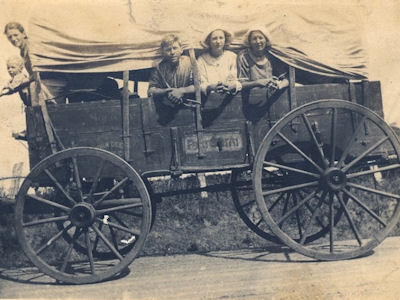 We are the chosen. In each family there is one who seems called to find the ancestors. To put flesh on their bones and make them live again. To tell the family story and to feel that somehow they know and approve. Doing genealogy is not a cold gathering of facts but, instead, breathing life into all who have gone before. We are the story tellers of the tribe. All tribes have one. We have been called, as it were, by our genes. Those who have gone before cry out to us: Tell our story. So, we do. In finding them, we somehow find ourselves. How many graves have I stood before now and cried? I have lost count. How many times have I told the ancestors, "You have a wonderful family; you would be proud of us.". How many times have I walked up to a grave and felt somehow there was love there for me? I cannot say. It goes beyond just documenting facts. It goes to who I am, and why I do the things I do.
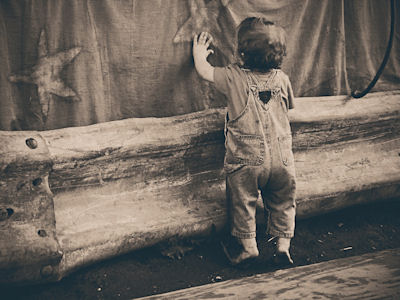 The bones here are bones of my bone and flesh of my flesh. It goes to doing something about it. It goes to pride in what our ancestors were able to accomplish. How they contributed to what we are today. It goes to respecting their hardships and losses, their never giving in or giving up, their resoluteness to go on and build a life for their family. It goes to deep pride that the fathers fought and some died to make and keep us a nation. It goes to a deep and immense understanding that they were doing it for us. It is of equal pride and love that our mothers struggled to give us birth, without them we could not exist, and so we love each one, as far back as we can reach. That we might be born who we are. That we might remember them. So we do. With love and caring and scribing each fact of their existence, because we are they and they are the sum of who we are. So, as a scribe called, I tell the story of my family. It is up to that one called in the next generation to answer the call and take my place in the long line of family storytellers. That is why I do my family genealogy, and that is what calls those young and old to step up and restore the memory or greet those who we had never known before. 'It goes to a deep and immense understanding that they were doing it for us. It is of equal pride and love that our mothers struggled to give us birth, without them we could not exist, and so we love each one, as far back as we can reach. That we might be born who we are. That we might remember them. So we do. With love and caring and scribing each fact of their existence, because we are they and they are the sum of who we are. So, as a scribe called, I tell the story of my family. It is up to that one called in the next generation to answer the call and take my place in the long line of family storytellers. That is why I do my family genealogy, and that is what calls those young and old to step up and restore the memory or greet those who we had never known before.' by Della M. Cummings Wright; Rewritten by her granddaughter Dell Jo Ann McGinnis Johnson; Edited and Reworded by Tom Dunn, 1943.
You can use this area for a short sentence before the surname cloud.
We make every effort to document our research. If you have something you would like to add, please contact us.